

Kedar kantha
Dehradun to Dehradun
Duration (5D/4N)
Tour Category - Trek
Difficulty - Moderate to Hard
Basic Inclusions
Meal Included
Stay Included
Transfer
Activity
Highlights
- Experience a winter wonderland in the Himalayas with accessible snow trekking.
- Feel like you're conquering a Himalayan peak without the need for technical climbing.
- Ideal for beginners, offering a perfect introduction to trekking.
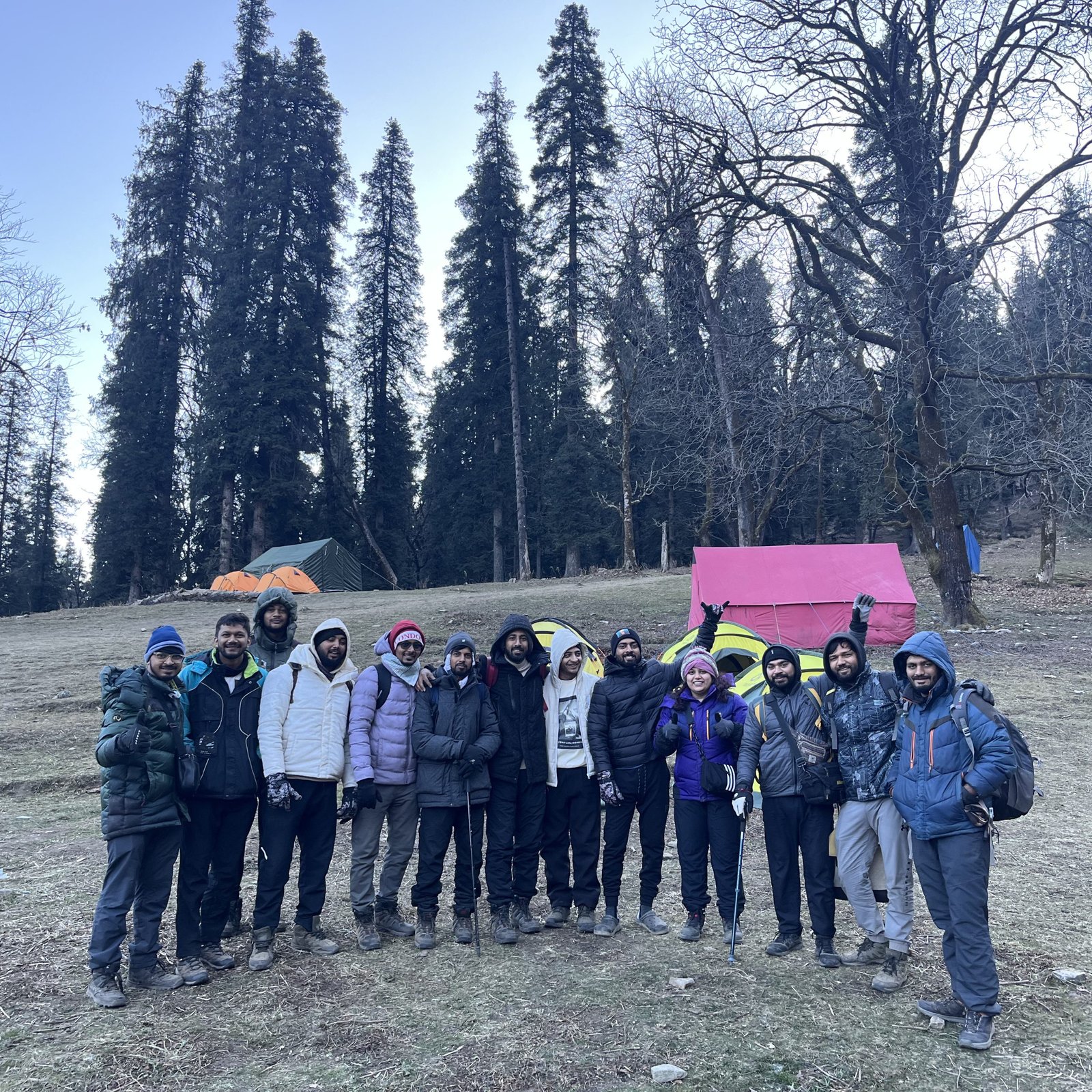
- Discover the beauty of camp sites at Juda ka Talab and Kedarkantha base camp.
- Follow snow-covered trails right from day one.
- Renowned as one of the most celebrated winter treks in the
- Stand atop the summit and gaze down at a mesmerizing world beneath your feet.
- Witness the breathtaking sunrise from the pinnacle of Kedarkantha
About this tour
Kedarkantha is a stunning mountain peak located in the Indian state of Uttarakhand, within the Govind Wildlife Sanctuary, part of the larger Garhwal region of the Himalayas. At an elevation of 12,500 feet (3,800 meters), it is one of the most popular trekking destinations in India, especially during the winter months.
The trek to Kedarkantha is renowned for its breathtaking views, diverse landscapes, and the opportunity to witness the pristine beauty of the snow-clad peaks of the Garhwal Himalayas. The trek begins from Sankri, a picturesque village that serves as the base camp. The trail traverses through thick forests of pine, oak, and rhododendron, and offers stunning views of snow-covered meadows, frozen streams, and the surrounding mountains.
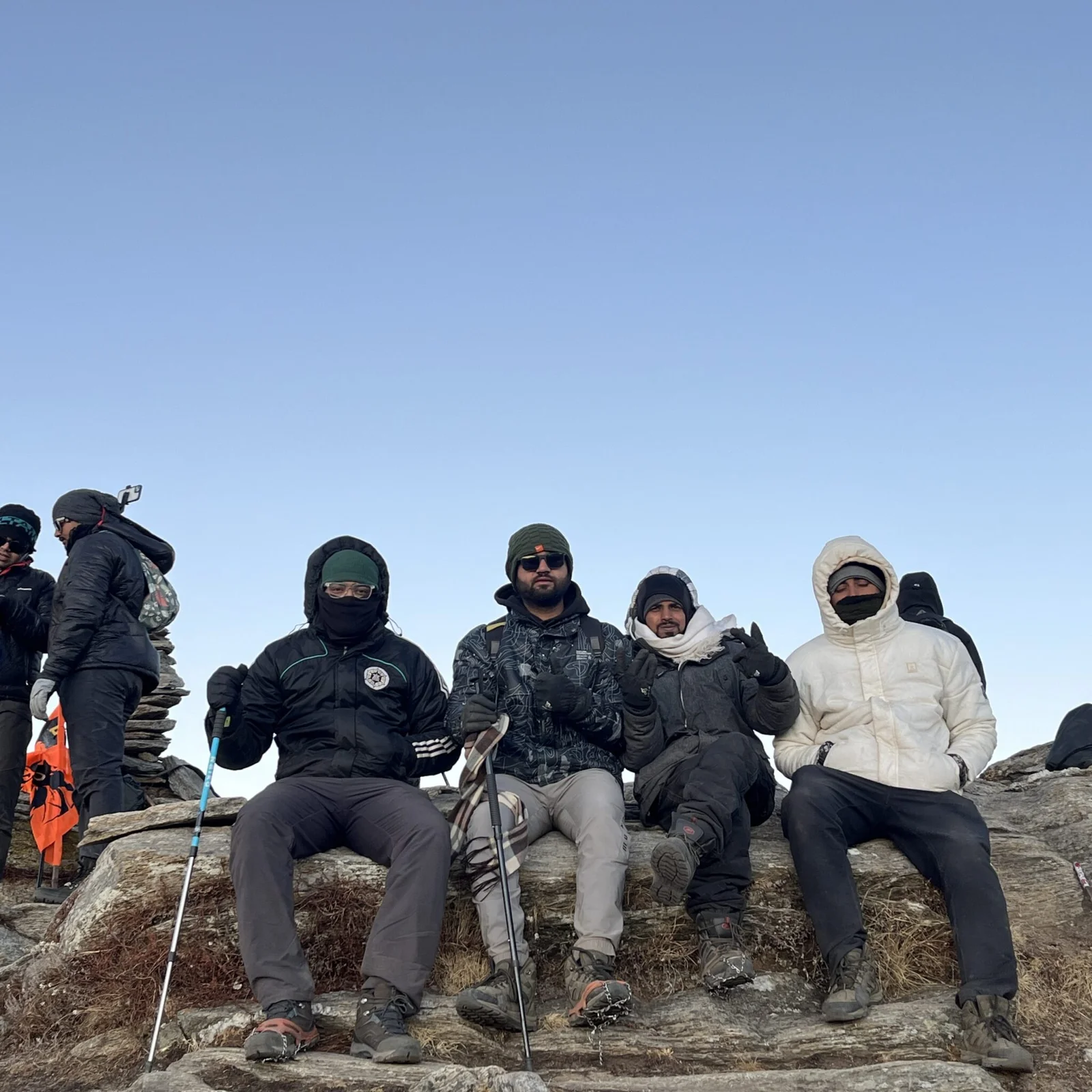
What makes Kedarkantha particularly special is its panoramic summit views. From the peak, trekkers are rewarded with 360-degree views of some of the most iconic mountains in the region, including Swargarohini, Black Peak, Bandarpunch, and Trishul. These majestic snow-capped peaks, combined with the clear blue skies, create an unforgettable sight.
The trek is ideal for both beginners and experienced trekkers, as it offers a relatively moderate challenge. The route is well-marked, and the gradual ascent allows trekkers to enjoy the changing landscapes, from lush green meadows to snow-dusted trails. The winter months bring an added charm, as the trek is often covered in thick snow, offering a true winter wonderland experience.
Aside from the stunning natural beauty, the Kedarkantha trek holds cultural and spiritual significance. The name “Kedarkantha” is derived from the ancient Kedarnath Temple, dedicated to Lord Shiva, and the area is steeped in local folklore and traditions.
Overall, Kedarkantha is a dream destination for trekkers, adventure enthusiasts, and nature lovers, offering a perfect mix of scenic beauty, adventure, and spirituality. Whether you’re looking to challenge yourself with a winter trek or simply enjoy the serenity of the Himalayas, Kedarkantha offers a magical experience.
Itinerary
- Assembly at the pickup point in the morning.
- Drive to Sankri base village (198 kilometers, 8 hours).
- Check into the designated homestay in Sankri.
- Rest and leisure time.
- Dinner and overnight stay in Sankri Village.
- Morning briefing by the trek leader.
- Start trekking through lush green forests with Swargrohini Massif in the backdrop.
- Reach Juda Ka Taal campsite (4 kilometers, 4 hours).
- Lunch and leisure time.
- Dinner and overnight stay at Juda Ka Taal/ Hargaoun Campsite.
- Morning tea and breakfast.
- Trek towards Kedarkantha Base Camp (3 kilometers, 3-4 hours).
- Check into the campsite.
- Enjoy activities and relaxation.
- Dinner and overnight stay at Kedarkantha Base Camp.
- Early start at 02:00 AM for the trek to Kedarkantha Peak.
- Witness the sunrise from the summit.
- Return to Kedarkantha Base Camp.
- Lunch at the campsite and a farewell bash.
- Overnight stay at Hargaoun Campsite
- Trek from Juda ka Taal to Sankri (4 kilometers, 4 hours).
- Freshen up at the designated hotel in Sankri.
- Proceed towards Dehradun (reach by late evening).
- Disassemble and conclude the trip.
Request for Quote
Starts from ₹8,000
Included
- Pickup & Drop Transportation to and from Dehradun
- Meals: Vegetarian meals provided - Breakfast, Lunch, Evening Snacks, and Dinner.
- Accommodation: Tents on a triple sharing basis, including @ Sleeping Bags and Sleeping Mats. Wooden Homestay/Hotel accommodation on Day 1 in Sankri (Triple & Quad sharing basis).
- Gear: Micro Spikes and Gaiters provided as per snow conditions.
- Guides: Experienced and Qualified Guides to assist you throughout the trek.
- Staff: Friendly and supportive staff to enhance your trekking experience.
- Permits: Forest permits for your trekking journey.
- Medical Amenities: Well-equipped with First Aid Kits, Oxymeters, and oxygen cylinders.
- Sanitation: Sanitized and Hygienic Campsites and Hotels to ensure yoursafety and comfort.
Excluded
- Anything not specifically mentioned in the inclusion list.
- Meals during transportation.
- Personal expenses of any kind.
- Unscheduled or extended stays resulting from roadblocks, landslides, or heavy snowfalls.
- Camera FeeCharges for porters/mules (personal) and backpack offloading.s: Still/video camera usage fees.
- Entrance Fees: EntEmergency evacuation costs.rance fees to monuments, monasteries, museums, temples, etc. (to be paid directly at the site).
Things to Carry
These items are more geared toward durability, comfort, and readiness for outdoor adventure and rugged conditions.
Backpacks:
- Rucksack (Large trekking backpack for carrying all essentials): A spacious, durable backpack designed to carry all necessary gear comfortably for longer treks.
- Day-Pack (Smaller for summit or short trips): Lightweight and compact, perfect for carrying essentials for shorter, daily adventures like summiting.
Footwear:
- Trekking Shoes (Sturdy with ankle support, great for rocky terrain): Provides stability and ankle support on rough, uneven surfaces, essential for trekking.
- River Shoes / Waterproof Footwear (For river rafting): Water-resistant footwear designed to protect feet while participating in water-based activities like rafting.
- Sandals / Floaters (For campsite comfort, after extreme activities): Easy-to-wear footwear for relaxation after rigorous activities, letting feet breathe.
Clothing:
- Quick-Dry Tees (Lightweight and breathable for all-day activity): Wicks away moisture quickly, keeping you dry and comfortable on long hikes.
- Track Pants (Comfortable for movement, moisture-wicking): Flexible, breathable pants that help you stay comfortable during physical activities.
- Hiking Pants (Rugged, durable material for tough trails): Sturdy pants made from durable material that stand up to harsh environments and tough trails.
- Waterproof Jacket / Poncho (Protection from rain): Keeps you dry in wet weather, covering both you and your bag.
- Insulated Jacket (For cold weather conditions, snow hikes): Essential for warmth in snow or high-altitude cold conditions.
- Woolen Gloves & Woolen Socks (For cold weather): Keep your extremities warm in freezing conditions, with the added benefit of odor control for long trips.
- Thermals (For high-altitude or snow conditions): Insulating garments that trap body heat, necessary for extreme cold.
- Hoodie (Versatile for layering): Lightweight and comfortable, perfect for layering in varying weather.
Hydration & Snacks:
- Re-usable Water Bottle (Stay hydrated throughout the adventure): Essential for hydration; eco-friendly and refillable.
- Snacks / Energy Bars / Trail Mix (For quick energy boosts during breaks): Provides quick, easy-to-carry fuel for sustained energy on the go.
Personal Care & Safety:
- Sunscreen (SPF 40+ for long hours under the sun): Protects your skin from harmful UV rays during extended outdoor activities.
- Insect Repellent (Protection from bugs): Keeps insects like mosquitoes away, preventing bites and discomfort.
- First Aid Kit (For minor cuts, bruises, and other accidents): Contains basic medical supplies for treating minor injuries.
- Sanitizer (To maintain cleanliness): Essential for hygiene, especially when clean water is unavailable.
- Lip Balm (For protection against windburn): Prevents dry, cracked lips in harsh weather conditions.
- Personal Medication (Any essentials like painkillers, altitude sickness tablets, etc.): Any personal medical needs like medication for pain, altitude sickness, etc.
Electronics & Navigation:
- Headlamp (For nighttime hikes or late arrivals): Hands-free light source for navigating in low-light or nighttime conditions.
- Power Bank (To keep electronics charged): A portable charger to ensure your devices stay powered, especially in remote areas.
- GPS or Compass (For navigation in remote areas): Essential for finding your way, especially if there are no marked paths.
- Camera (To capture moments): A camera to document memories and scenic views from your adventure.
Additional Gear:
- Trekking Poles (For stability on tough terrain): Provides additional support and balance on rocky or uneven terrain.
- Sunglasses (For protection against glare): Protects your eyes from harsh sunlight, particularly at higher altitudes.
- Waterproof Bags (For storing electronics and sensitive items): Keeps your electronics and valuables safe and dry in wet conditions.
- Riding Gear (If part of the activity involves biking/motorcycling): Protective gear for biking or motorcycling adventures.
- Gaiters (For snow or muddy conditions): Protects legs from snow, water, and mud, helping keep you clean and dry.
- Gloves (For snow or trekking poles): Keeps hands warm in cold conditions and aids grip on trekking poles.
Documents & Identification:
- Personal ID, Emergency Contacts, Insurance Details: Critical identification and emergency information for safety and accessibility during travels.